Rehabilitation and Movement Science
Department of Kinesiology and Health Education
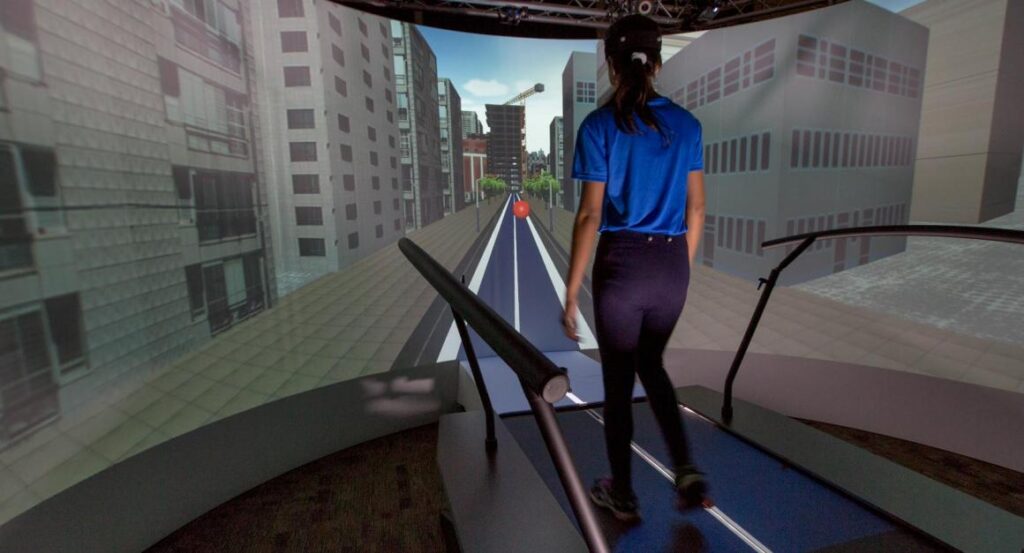
Rehabilitation and Movement Science (RMS) graduate programs combine the traditional fields of biomechanics, motor development, motor control, and learning, and cognitive and neuromuscular function. This program examines multidisciplinary aspects of how people move in a variety of settings, including clinical applications, elite performance, and typical changes related to development and aging. The RMS curriculum is designed to support students interested in pursuing careers in research and the allied health sciences.
Students benefit from the diverse backgrounds and experience of the program faculty and their colleagues across the campus, including faculty collaborators in biology, engineering, medicine, neuroscience, and psychology.
Programs
Undergraduate Studies
Majors
Undergraduate students interested in studying Rehabilitation Movement Science can choose related coursework in the following majors:
Minor
Students not majoring in Kinesiology and Health Education may pursue an interdisciplinary minor and/or enroll in selected undergraduate courses that may fulfill degree requirements in a variety of academic degree programs on campus.
Undergraduate students interested in pursuing any of these options should consult with a Kinesiology and Health Education academic advisor in the College of Education.
Faculty

Studies how biomechanics affect human physiology and locomotion performance. Particularly interested in how body dimensions and muscle-tendon mechanics affect metabolism, fatigue and speed.

Investigates neuromuscular control mechanisms during fatigue, training, rehabilitation and aging with single-motor unit recording, and designs electrical stimulation protocols for individuals with paralysis.
Accepting new students

Studies the biomechanical and neuromuscular control mechanisms of human movement and translates this knowledge into practical solutions that reduce walking-related disability.

Studies the biomechanics of infants in commercial baby gear and orthopedic devices, and parents/caregivers carrying infants during activities of daily living.
Research Labs
Human Locomotion Lab
Studies how biomechanics affect physiology and performance.
Neuromuscular Physiology Research Laboratory
Conducts studies specializing in the investigation of neuromuscular control patterns in healthy, clinical and aging populations with the use of intramuscular fine-wire recording and electrical stimulation.
Neurorehabilitation and Biomechanics Lab
Seeks to understand the mechanisms of biomechanical and neuromuscular control of normal and pathological movements and to apply this knowledge to design interventions that improve functional movements.
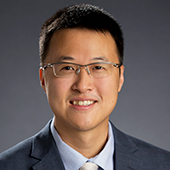
Program Director
Hao-Yuan Hsiao
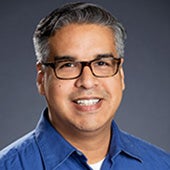
Graduate Program Administrator
Phillip Salazar
Developing real-time personalized TMS to target residual corticospinal connections after stroke
Dr. Owen Beck’s research is featured in the Washington Post
Dr. Lisa Griffin has been appointed as Editor-in-Chief of the Translational Journal of the American College of Sports Medicine
Exoskeletons Must Act Faster Than Human Reaction Times to Improve Balance