
Academic Programs
Undergraduate students can major in special education that leads to a recommendation for teacher certification in special education (EC-12) and general education (EC-6). Students learn the foundations of teaching and supporting children with mild to severe disabilities. Our master’s and doctoral students engage in coursework led by experts in the field, and conduct innovative research aimed at improving the lives of individuals with disabilities.
Students interested in becoming Board Certified Behavior Analysts, either at the BCBA or BCBA-D level, should explore our Autism and Developmental Disabilities and Early Childhood Intervention master’s and doctoral programs.
Undergraduate Program
Special Education Undergraduate Studies
Graduates with a background in special education are in high demand by elementary and secondary schools.
Graduate Students: The deadline shown in the graduate school application differs from our official deadline. For the most up‑to‑date information, please refer to the deadlines published on our program pages.
Master’s Programs
-
Our programs in autism and developmental disabilities train clinicians, teachers, researchers and leaders to work with individuals with developmental disabilities (e.g., autism spectrum disorders), their families, and the broader community to foster positive learning, supportive and inclusive outcomes. Our master’s programs feature a Behavior Analyst Certification Board (BACB) approved course sequence.
-
Our new masters program in Dyslexia and Dyscalculia Intervention, offered in a fully online format, provides students with advanced training in the preparation, implementation and evaluation of evidence-based practices to support students with or at-risk for learning disabilities in reading, mathematics and writing, including dyslexia, dyscalculia and dysgraphia.
-
Featuring a Behavior Analyst Certification Board (BACB) approved course sequence, our Early Childhood Special Education Programs prepare students to become leading experts in instruction and intervention for young children with autism and other developmental disabilities.
Doctoral Programs
-
The Autism and Developmental Disabilities (A&DD) Doctoral Program provides students with cutting-edge training for conducting research. Students engage in hands-on practice with individuals with autism and developmental disabilities. In this concentration, we strive to provide students with teaching, research and clinical training experiences that will prepare them for careers in academia and/or clinical-based settings.
-
The Early Childhood Intervention Ph.D. program features coursework and intensive mentoring from scholars who conduct cutting-edge clinical and translational research to improve the lives of young children with disabilities and their families. We prepare the next generation of scholars and future leaders to conduct high-quality research that advances the field of early childhood special education.
-
This program prepares you to work in a variety of settings, including leadership roles in schools, school districts, and higher education, and to further research into the practices and interventions that effectively treat learning disabilities in reading, writing and math (including dyslexia, dysgraphia and dyscalculia).
-
Focus on how special education is shaped by—and interacts with—larger systems such as law, health care, public policy and community organizations. Students will investigate how these systems influence service access, educational outcomes and family experiences across different populations.
Contacts

Saury Ramos-Torres
Undergraduate Advisor
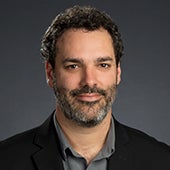
Terry Falcomata
Graduate Advisor
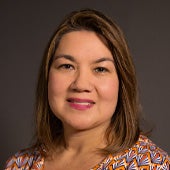
Rosie Garza
Graduate Coordinator