Autism and Developmental Disabilities
Department of Special Education
Designed For
This program is for students seeking advanced doctoral training in autism and developmental disabilities across the lifespan with a strong emphasis on applied behavior analysis. It is ideal for individuals who aspire to earn Board Certified Behavior Analyst–Doctoral (BCBA‑D) certification while developing expertise in research, teaching and clinical practice.
Career Objective
Graduates are prepared for careers in academia, clinical practice and research-focused settings serving individuals with autism and developmental disabilities. The program equips students with the scholarly, clinical and supervisory competencies required for BCBA‑D credentialing and leadership roles in the field.
At a Glance
Program Starts: Fall
Deadline to Apply:
Funding Priority Deadline: December 1; Rolling admissions until spots are filled.
Length of Program: 48-60 months
Program Location: On campus
GRE Required? No
Preparing Leaders in Autism and Developmental Disabilities
The Autism and Developmental Disabilities (A&DD) Doctoral Program provides students with cutting-edge training for conducting research. Students engage in hands-on practice with individuals with autism and developmental disabilities. In this concentration, we strive to provide students with teaching, research, and clinical training experiences that will prepare them for careers in academia and/or clinical-based settings. As a Tier-1 research institute, we provide highly personalized training with a wide range of clinical and research opportunities.
The Ph.D. degree generally takes four years of full-time study to complete. Students develop their own individualized program of study in consultation with their academic advisor and the graduate advisor. In addition to content and research coursework, Ph.D. students will complete a dissertation and professional activities beyond coursework. This can include supervision of student teachers, presentation at professional conferences, submitting manuscripts for publication, teaching at the undergraduate level.
Applicants interested in focusing on young children, working with families or naturalistic developmental behavioral interventions should explore our BCBA certification program in Early Childhood Intervention.

Area Co-Coordinator
Mark O’Reilly
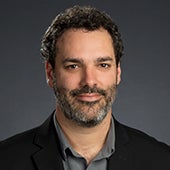
Area Co-Coordinator
Terry Falcomata

Graduate Program Administrator
Rosie Garza
Program Details
Program Requirements
Students develop their own individualized program of study in consultation with their academic advisor and the graduate advisor.
Doctoral Degree Components (54-57 credit hours minimum)
- Specialization Core: 12 credit hours
- Professional Core: 18 credit hours
- Research Core: 18-21 credit hours
- Dissertation: 6 credit hours minimum
Specialization Core Courses (12 credit hours)
- SED 388 Challenging Behaviors and Developmental Research
- SED 388 Advances in Understanding and Treatment of Autism
- SED 396 Trends & Issues in Autism & DD
- SED 389 Policy/Procedures in Special Education Administration
To gain breadth of knowledge, students must take at least one course outside their concentration area or in another department.
Professional Core Courses (18 credit hours)
- SED 695S A & B Professional Seminar (taken over fall and spring semesters of Year 1)
- SED 398T College Teaching (Year 2)
- SED 380 Disability, Society and Education
- SED 696 A and B Research Mentoring (taken over two semesters)
Research Core Courses (18-21 credit hours)
- EDP 380C Fundamental Statistics – prerequisite as needed
Additional coursework must include at least two of the following three courses:
- Qualitative Research Design and Data Analysis
- Quantitative Research Design and Data Analysis
- Single-Subject Research Design
Coursework must include:
- SED 395D Grant Writing in Education
Select other research courses in consultation with your academic advisor to be sure that you will fulfill research requirements in your concentration area.
Dissertation (6 credit hours minimum)
All doctoral students are required to complete a dissertation. This includes conducting original research with direction from a dissertation supervisor. The dissertation will be submitted and defended to a dissertation committee consisting of faculty in the field of study.
- SED 399, 699 or 999 R and W
Faculty

Engages in training and supervision of clinicians to support individuals with challenging behavior and difficulty transitioning between activities, particularly for students with autism spectrum disorders.

Assessment and treatment of problem behavior displayed by individuals with ASD/DD, methods for increasing behavioral variability in individuals with ASD/DD, and methods for preventing clinical relapse pertaining to challenging behavio

Works with culturally diverse individuals with Autism Spectrum Disorders to assess and treat challenging behavior.

Assesses and supports individuals with intellectual disabilities and develops social skill/communication interventions for children with ASD.
Additional Information