Early Childhood Intervention
Department of Special Education
Designed For
This program is designed for aspiring scholars and practitioners dedicated to improving outcomes for young children with disabilities and their families. It is ideal for individuals seeking advanced training in early childhood special education, autism and developmental disabilities through rigorous research and faculty mentorship.
Career Objective
Graduates are prepared to become leaders in research, higher education and policy or clinical settings that influence early childhood systems. The program equips scholars to conduct high-quality, impactful research that advances evidence-based practice and informs policy, while also supporting students who want to pursue Board Certified Behavior Analyst–Doctoral (BCBA‑D) certification.
At a Glance
Program Starts: Fall
Deadline to Apply:
Funding Priority Deadline: December 1; Rolling admissions until spots are filled.
Length of Program: 48-60 months
Program Location: On campus
GRE Required? No
Advancing the Field of Early Childhood Intervention
Through advanced coursework and intensive mentoring from faculty conducting cutting-edge clinical and translational research, the Early Childhood Intervention program prepares the next generation of scholars to advance the field through innovative research, teaching and leadership focused on young children with disabilities and their families.
The doctoral program typically requires four years of full-time study and emphasizes an individualized program of study developed in consultation with an academic advisor and graduate advisor. Core coursework includes a specialization in early childhood special education, autism and developmental disabilities, along with comprehensive training in research methods. The program also offers a strong foundation for those pursuing BCBA‑D certification.
Beyond coursework, students complete a dissertation and engage in professional activities that support academic and scholarly development. These experiences may include supervising student teachers, presenting research at professional conferences, publishing in peer-reviewed journals and teaching at the undergraduate level.
Applicants interested in working with individuals with autism and developmental disabilities should explore our BCBA-D certification program in Autism and Developmental Disabilities.

Area Co-coordinator
Lauren Hampton

Graduate Program Administrator
Rosie Garza
Program Details
Program Requirements
Students develop their own individualized program of study in consultation with their academic advisor and the graduate advisor.
Professional Core: 18 credit hours
- SED 695S A & B Professional Seminar (taken over fall and spring semesters of Year 1)
- SED 398T College Teaching (Year 2)
- SED 380 Disability, Society and Education
- SED 696 A and B Research Mentoring (taken over two semesters)
Specialization Core: 12 credit hours
- SED 384 Overview of Early Childhood Intervention
Additional classes will be selected in consultation with the academic advisor. At least one course must be taken outside the concentration area or the department.
Research Core: 18-21 credit hours
- EDP 380C Fundamental Statistics – prerequisite as needed
Additional coursework must include at least two courses out of the following three:
- Qualitative Research Design and Data Analysis
- Quantitative Research Design and Data Analysis
- Single-Subject Research Design
Coursework must include:
- SED 395D Grant Writing in Education
Select other research courses in consultation with your Academic Advisor to be sure that you will fulfill research requirements in your concentration area.
Dissertation: 6 credit hours minimum
All doctoral students are required to complete a dissertation. This includes conducting original research with direction from a dissertation supervisor. The dissertation will be submitted and defended to a dissertation committee consisting of faculty in the field of study.
- SED 399, 699, or 999 R and W
Faculty

Engages in training and supervision of clinicians to support individuals with challenging behavior and difficulty transitioning between activities, particularly for students with autism spectrum disorders.

Studies how to optimize early interventions for young children with challenging behavior and communication delays including those with autism.
Accepting new students

Autism, implementation science, cultural adaptation, early intervention, marginalized families, global autism research
Accepting new students
Additional Information
From Our Students
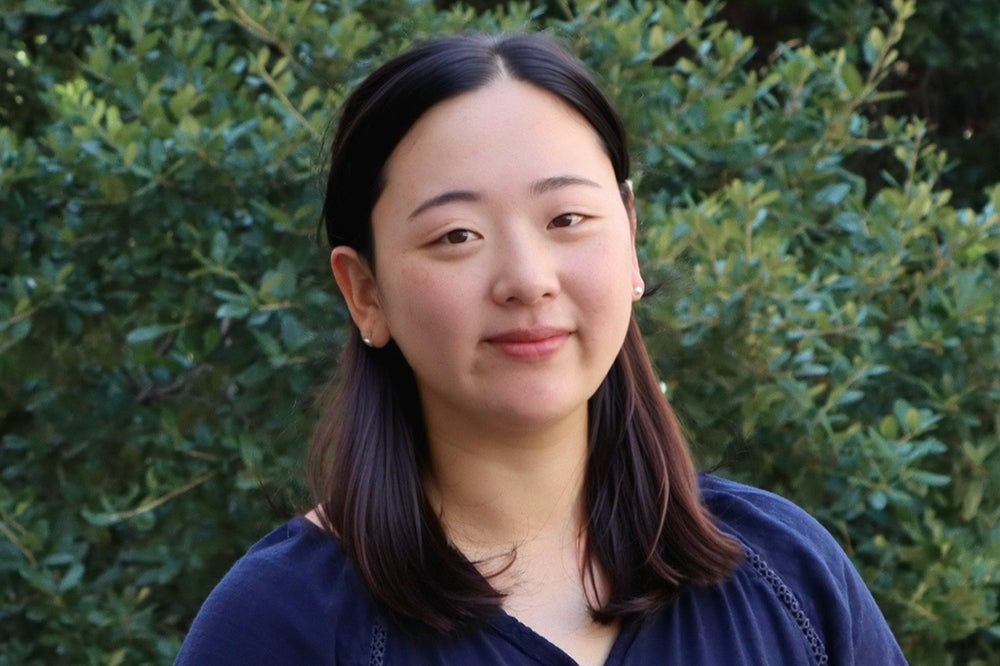
“This program has been one of the most meaningful experiences of my academic journey. Being part of a community of peers from around the world creates a collaborative, inspiring learning environment. The professors are exceptional mentors who genuinely care about their students—they are supportive, thoughtful and flexible, which makes a real difference in a demanding doctoral program. I especially value how the coursework is directly connected to research and professional practice.”
— Younghwa Noh, Doctoral Candidate