Prevention Science
Department of Kinesiology and Health Education
Designed for
This program is ideal for individuals committed to pursuing advanced research in prevention science and health education. Candidates typically have a strong academic foundation in health, behavioral, and social sciences and related fields and are motivated to develop expertise in behavioral theory, intervention design and program evaluation.
Career Objective
Graduates of the Prevention Science doctoral program are prepared for careers that shape the future of health promotion and disease prevention. Most pursue academic positions as professors and researchers, while others lead initiatives in government agencies, nonprofit organizations and healthcare systems.
At a Glance
Program Starts: Fall
Deadline to Apply:
Priority: December 1
Final: May 1
Length of Program: 63 months
Program Location: On campus
GRE Required? No
Leading the Future of Prevention Science
Formerly known as Health Behavior and Health Education, the Prevention Science doctoral program prepares scholars to advance research and practice in health promotion and disease prevention. Students benefit from close faculty mentorship, interdisciplinary collaboration, and access to cutting-edge research facilities and community partnerships, creating an environment that fosters innovation and leadership in public health. The program emphasizes theory-driven, evidence-based approaches to understanding health behaviors and designing interventions that improve population health. Our graduates to go on to design and evaluate interventions, influence health policy and contribute to scholarship that improves health outcomes among diverse populations.
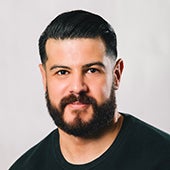
Program Director
Miguel Pinedo
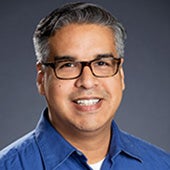
Graduate Program Administrator
Phillip Salazar
Program Overview
Admissions Requirements
The prerequisites for doctoral study in Prevention Science are a master’s degree from an accredited college or university and the completion of a minimum 3 hours of course work from each of the following areas (total of 9 hours):
- Research Methods
- Statistics
- Behavioral Sciences
In addition to meeting the Graduate School’s requirements, applicants must submit:
- A letter of application, which includes a statement of career goals and research interests to the Prevention Science faculty.
- Three letters of recommendation, all preferably from current or former professors, are required.
- If possible, a personal interview is recommended.
Students applying to the Ph.D. program must have demonstrated capability of independent research by completing a thesis or publishing a research article(s). Students not meeting this requirement shall participate in a research project sponsored by a faculty member during the first year of study to demonstrate research ability.
Final acceptance and continuation in the program are contingent upon sponsorship by a member of the Prevention Science faculty. This faculty member will serve as the student’s advisor. The admission of a student into the program and the selection of an advisor are by mutual agreement.
Because of a recent program name change, students applying for Fall 2026 should submit their application under the Health Behavior and Health Education program.
Program Requirements
Prerequisite (3 credit hours)
- Graduate level intro to statistics course
Master’s Level Prevention Science Content (18 credit hours)
- PSC 390 Introduction to Prevention Science
- PSC 386 Applied Research Methods
- PSC 393 Epidemiology
- PSC 391 Theories of Change
- PSC 392 Prevention Science Across the Lifespan
- PSC 394 Community Engaged Intervention Design
Prevention Science Content (12 credit hours)
- PSC 395 Advanced Methods in Prevention Science
- PSC 395 Implementation Science
- PSC 395 Efficacy Trials and RCTs
- PSC 395 Social Determinants of Health and Health Inequities
Statistics and Methods: 9 credit hours including 3 hours of qualitative analysis
Electives: 6 credit hours
Direct Research: 8 credit hours (2 credits during 4 semesters)
Seminar: 4 credit hours (1 credit during 4 semesters)
Dissertation: 18 hours
What is Prevention Science?
Prevention Science is an interdisciplinary field focused on improving health and well‑being before problems occur. It brings together ideas from health, behavioral, social and developmental sciences to understand what helps people and communities thrive—and what puts them at risk.
Prevention scientists work to:
- Identify risk and protective factors that influence health and well‑being.
- Design and test interventions that promote healthy behaviors and prevent disease.
- Evaluate effectiveness using rigorous research methods, such as randomized controlled trials.
- Scale and sustain successful programs so they can be widely implemented and have lasting impact.
Depending on the research question, prevention scientists may focus on:
- Individuals and families.
- Schools, neighborhoods and communities.
- Organizations and systems, including local, state, federal or tribal agencies in both public and private sectors.
This approach recognizes that health is shaped not only by individual behavior, but also by social, environmental and institutional contexts.
Prevention Science is highly collaborative. Researchers often work in teams that may include:
- Scientists and researchers.
- Practitioners and program leaders.
- Administrators and policymakers.
- Community members and stakeholders.
Together, these groups help ensure that research is relevant, practical and responsive to real‑world needs.
Faculty

Sexual health Sexual assault IPV HIV/AIDs Hookup culture Purity culture College students

J. Mark Eddy's primary area of expertise is the development, refinement and rigorous testing of culturally informed multimodal preventive and clinical psychosocial interventions to improve physical and mental health outcomes for children and families...

Researches the social and emotional processes that shape intergroup attitudes toward migrants and advances prevention science through the design and evaluation of culturally responsive interventions.

Studies school and community-based interventions regarding physical activity, healthy eating, and the prevention of chronic disease.

Teaches from a holistic health perspective with a focus on personal health, including mental health, meditation and other stress management techniques.

Focuses on adolescent and young adult problem behavior development, and tobacco use and cessation.

Focuses on identifying factors that hinder or promote the success of children and families from vulnerable and underserved populations.

Focuses on understanding how contextual, familial, and individual-level factors influence substance use, mental health, and chronic diseases, and translating this evidence into culturally adapted, evidence-based interventions spanning a spectrum from...

Examines the relation between marketing influence on youth and young adult risk behavior such as substance use, nutrition, sleep and energy drink consumption.

My work primarily investigates how immigration policies (e.g., deportations, parental deportations) contribute to inequities in substance use, mental health, and use of treatment services among Latino populations.

My research interests and expertise center in the reduction of spatial health disparities in access to environments that enable physically active lifestyles. Specifically, my work focuses on understanding the context-specific relations between the bu...

Identity, acculturation, cultural stress, crisis migration, adolescent development, family functioning, substance use, mental health, well-being

Focuses on how individuals successfully adapt to stress and build health resilience.
Labs and Research Areas
CHeRISH Lab
Seeks to advance the development, implementation and evaluation of culturally adapted, evidence-based interventions to improve health throughout the lifespan in the U.S. and abroad.
Culture, Family & Health Laboratory
Studies how identity, culture and family processes influence mental health and psychological well-being, focusing specifically on immigrant populations, ethnic minorities and U.S. citizens’ reactions to immigration.
Exercise & Sport Psychology Laboratory
Develops interventions to increase physical activity and health eating, and seeks to understand the benefits of exercise for mental health.
Migration and Health Lab
Focuses on better understanding how migration-related factors influence vulnerability to substance abuse and related harms among Latino communities in the US and Mexico.
Prevention Research Lab
Examines how the marketing of unhealthy products impacts youth and young adults’ behaviors. Explores how risk behaviors may co-occur among adolescents and young adults.
Stress Adaptation and Health Resilience
Focus areas include diabetes self-management interventions, the role of positive emotions in reducing depressive symptoms, and the relationship between chronic psychosocial stress and metabolic health.
Tobacco Research and Evaluation Team
Conducts research on youth and young adult tobacco use, and develops effective tobacco prevention programs and intervention tools that are easily accessible for various populations.