Ultimately, recognizing the heterogeneity within autism helps ensure that research findings better reflect an individual’s strengths and needs.
Every April, Autism Awareness and Acceptance Month celebrates the experiences of individuals on the autism spectrum to increase awareness and promote greater understanding, support and advocacy.
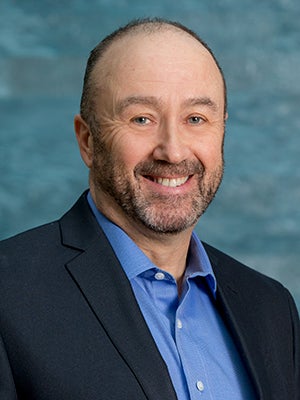
Mark O’Reilly, professor of special education, coordinates the graduate programs in Autism and Developmental Disabilities at the College of Education. His research focuses on supporting individuals with intellectual disabilities and developing social skills and communication interventions for children with autism spectrum disorder (ASD).
O’Reilly has a particular interest in functional assessments for children with severe challenging behavior and potential interventions.
A Conversation with Mark O’Reilly
Autism spectrum disorder can be viewed differently depending on one’s perspective, whether a parent, physician or the individual themselves. What are some ways that you define the spectrum in terms of behavior, communication, development and social interaction?
Autism spectrum disorder (ASD) is a neurodevelopmental condition characterized by differences in social communication and includes patterns of restricted or repetitive behaviors, interests or sensory experiences. The term spectrum
reflects the wide range of ways these characteristics can appear across individuals. Some people may have significant language or developmental delays while others may have strong verbal skills but experience challenges with social interaction and behavioral flexibility.
Individuals with autism may engage in repetitive movements, have highly focused interests and prefer predictable routines. Socially, they may interpret communication differently or require more explicit cues to initiate and maintain interactions. ASD is not a single presentation but a broad set of developmental profiles.
Asperger’s syndrome was once considered a separate diagnosis but is now included under autism spectrum disorder. Why was it incorporated into the broader spectrum?
Asperger’s syndrome was incorporated into autism spectrum disorder in the DSM-5 because the differences between Asperger’s and other forms of autism were not as clear or consistent as once believed. Many individuals diagnosed with Asperger’s shared the same core characteristics of autism, particularly differences in social communication and restricted interests, but without early language delays.
Clinicians often found that diagnostic boundaries were difficult to apply consistently. By moving to a single autism spectrum diagnosis, the field aimed to create a more accurate and reliable framework that reflects the continuum of traits and support needs.
How important is early diagnosis and what difference can early intervention make in a child’s development?
Early diagnosis is extremely important because it allows children and families to access support during the critical period of early development. When children receive early intervention such as speech and language therapy, special education and early intensive behavioral intervention, they often gain skills that help them communicate, engage with others and navigate their environments more effectively. Early diagnosis gives families information and resources that empower them to support their child’s development.
What types of research or emerging approaches do you believe will make the most meaningful difference in the lives of individuals with autism?
Some of the most interesting advances are coming from research that focuses on individualized supports and quality of life across the lifespan. This includes studies examining how educational practices, assistive communication technologies, and applied behavioral interventions can better support learning and independence. Increasingly, researchers are also exploring mental health supports and community inclusion, recognizing that autism affects many aspects of daily life beyond childhood.
Another important trend is participatory research that includes autistic individuals and families as collaborators in the research process. By centering lived experience alongside scientific inquiry, the field can develop insights and supports that are evidence-based and respectful.
How is ASD research influenced by the more expansive range of characteristics?
Because individuals on the spectrum vary widely in communication styles, cognitive profiles, and support needs, researchers must consider this complexity when designing studies and interpreting findings. Increasingly, research focuses on identifying subgroups and personalized supports rather than searching for a single explanation, intervention or outcome. This complexity encourages interdisciplinary collaboration across fields such as psychology, education, neuroscience and genetics.
Ultimately, recognizing the heterogeneity within autism helps ensure that research findings better reflect an individual’s strengths and needs.
What are some common misconceptions or stereotypes about individuals with autism that you wish more people understood?
One common misconception is that autism looks the same in every person when in reality it encompasses a very wide range of experiences and abilities. Another stereotype is that individuals with autism lack empathy or do not want social relationships; many autistic individuals deeply value connection but may communicate or express emotions differently. Additionally, media portrayals often focus on either extreme disability or exceptional savant
abilities, which can distort public understanding.
It is important for parents and caregivers to remember that a diagnosis is a tool that can help them access information, services and support. Taking time to learn about autism and connect with knowledgeable professionals, educators and support networks can make the journey much more manageable. It can also be helpful to focus on the child’s strengths and interests, as these often become powerful pathways for learning and development.
With the right supports, autistic individuals can lead fulfilling lives.