Educational Policy and Planning Program
Department of Educational Leadership and Policy
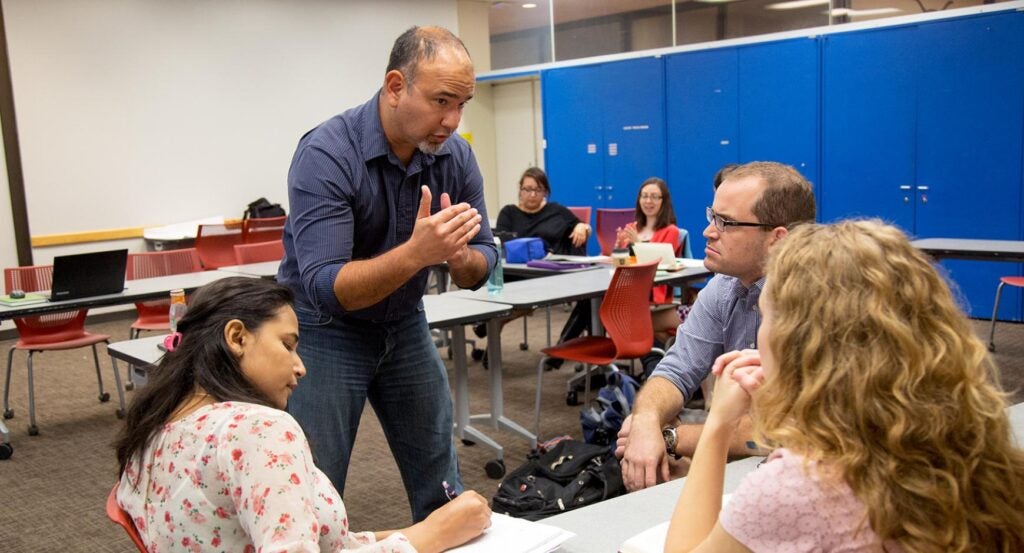
The Educational Policy and Planning (EPP) Program, ranked 10th by U.S. News & World Report, prepares the next generation of scholars, researchers, and analysts who will strengthen and improve public education systems. We train education policy experts who address critical challenges facing our state and nation.
Degrees
Our master’s program is designed for working professionals, offering late afternoon and evening courses that accommodate professional schedules. Students receive comprehensive training in education policy analysis and research methods, gaining foundational knowledge in education policy implementation, politics and policy, school law, and applied policy analysis.
Students develop practical skills in data collection and analysis to solve real-world problems and improve educational outcomes. The program prepares graduates for careers as policy analysts, researchers in public and private sectors, and provides strong preparation for doctoral study in educational policy.
Our doctoral program prepares future faculty members, policy analysts, and researchers through specialized coursework in education politics, policy implementation, organizational theory, social and cultural contexts of education, and economics of education. Students receive rigorous training in multiple research methodologies.
Graduates pursue careers as academics, policy analysts, and researchers across public and private sectors. This is a full-time program; we do not accept part-time students.
Program Structure
Both programs employ a cohort model starting in fall semester. This structure provides built-in peer support as students progress through coursework while creating opportunities for collaborative learning and research partnerships with faculty. Doctoral students work closely with faculty mentors to develop focused research agendas, culminating in dissertation research.
Faculty
Faculty Expertise
Our faculty are nationally recognized experts conducting cutting-edge research on educational accountability and school improvement, educational leadership, instructional policy implementation, market-based reforms, program evaluation, school choice, and educational initiatives addressing student achievement and diverse learning needs.

Examines collaborative approaches involving community organizations and stakeholders that improve academic achievement and reduce opportunity gaps for students. Also studies chronic absenteeism, the role of high school athletics in school settings, a...

Focuses on school and district leadership, inclusive practices for students with disabilities, and school improvement with an emphasis on improving student achievement and addressing inequities in classrooms, schools, and communities.
Accepting new students

Develops school leaders with the knowledge, skill, and disposition to foster collaborative instructional systems to produce high levels of adult engagement in their unique school environments to assure every student learns well and thrives, with a fo...

Examines principals and school-community engagement/community development and issues of educational equity and opportunity.

Dr. Holme's work explores how structural and systemic factorsparticularly housing policy, and teacher labor marketsshape educational opportunity.
Accepting new students

Examines program evaluation, knowledge mobilization, and research use in public school districts. Her work investigates how school leaders navigate socio-political contexts to make evidence-informed decisions, with particular attention to the organiz...

Focuses on identifying factors that hinder or promote the success of children and families from vulnerable and underserved populations.

I study student success for children experiencing poverty. I analyze how school leadership and state policy facilitate student success across the education pipeline.

Specializes in urban education from a sociological and multicultural perspective, with a focus on minority youth in schools, particularly at the K-12 level.

Examines issues of power and voice in education policy making and implementation processes, with a focus on public school district superintendents and school boards.
Accepting new students

Uses lenses from organizational sociology to study how district leaders, principals, coaches, and teachers implement policy
Admissions
The GRE is not required for admission to the Educational Policy and Planning program. Note that some university-wide fellowship programs may consider GRE scores. Applicants seeking eligibility for all possible fellowships and scholarships should consider taking the GRE.
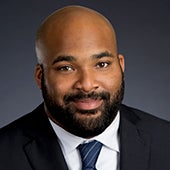
Program Co-coordinator
Joshua Childs
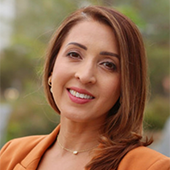
Ph.D. Program Co-coordinator and M.Ed. Coordinator
Sofia Malik
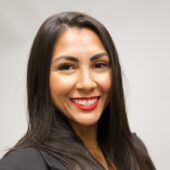
Graduate Admissions Coordinator
Jacinda Herrera